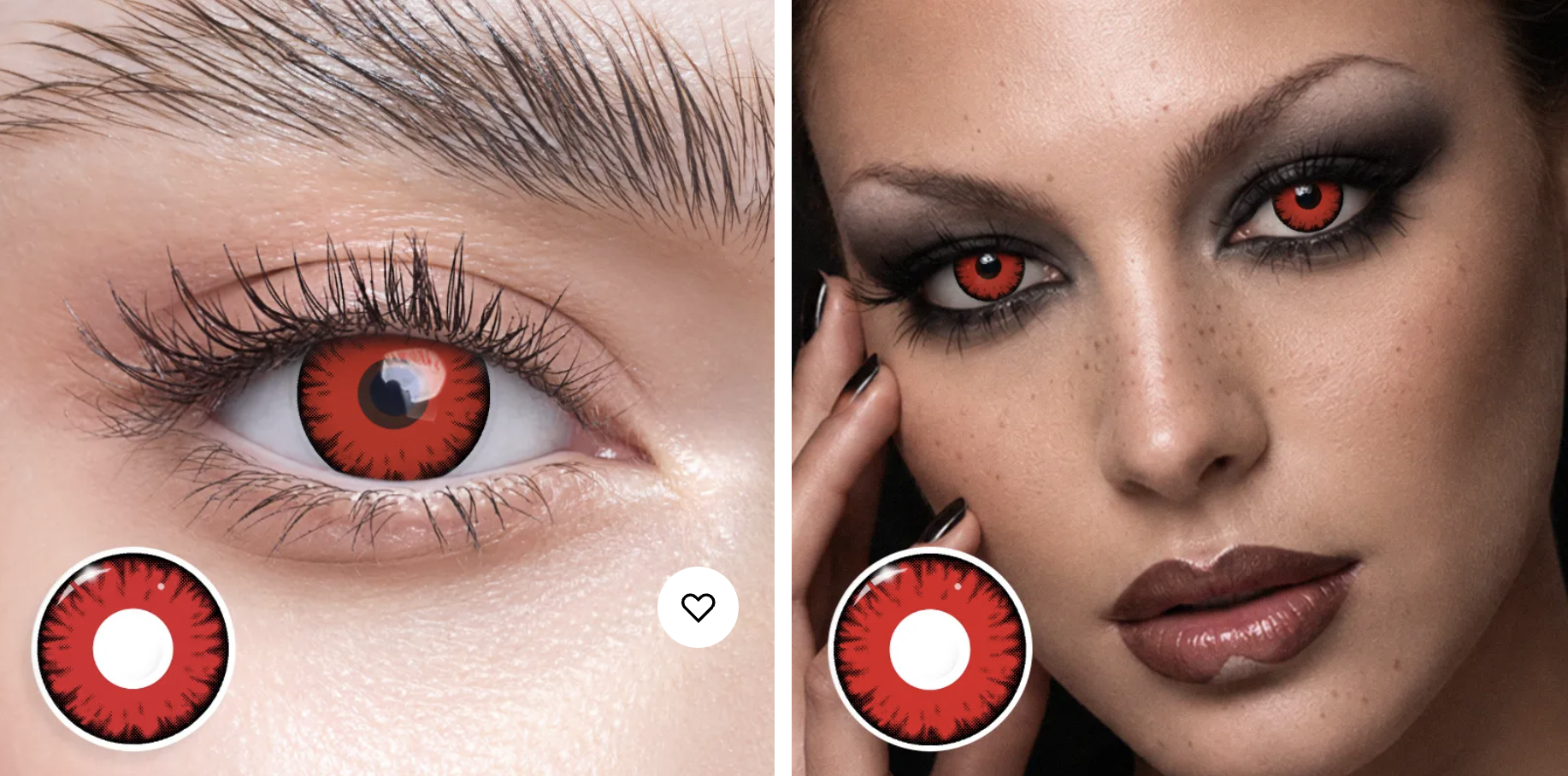
Haniix’s Non-Prescription Colored Contact Lenses
Why wearing these products can be a prescription for disaster.
March 2014: After plaintiffs amended the complaint in January 2014, the parties reached a settlement and agreed to dismiss the lawsuit with prejudice, meaning that plaintiffs cannot refile the complaint. At this time, we do not know the terms of the settlement.
November 2013: A federal judge denied final approval of a class-action lawsuit against L’Oréal USA, Inc. The complaint, originally filed in April 2013, alleged that the company misleadingly markets professional hair care products as only available for purchase in salons when the products are actually available for purchase in major retail outlets. According to the settlement terms, the company agreed to remove the misleading labels from the product packages for a period of five years. The Court rejected the settlement because (1) the salon-only purchasers and the retail outlet purchasers had different interests and so the class certification, a requirement for settlement, was inappropriate; and (2) the settlement was not fair, reasonable, and adequate because the company only agreed to stop the misleading labeling for a limited time and the class received no monetary award. (Richardson et al v. L’Oreal, Case No. 13-cv-00508, District of D. C.).
Why wearing these products can be a prescription for disaster.

How do you cast Cerebral Palsy when there is no such thing as a typical person with Cerebral Palsy?

Who’s actually behind this purported local boutique?

A hidden subscription is just the start.

Jenny Ahn, Michelle Cera, Ruth Reader, Hunterbrook